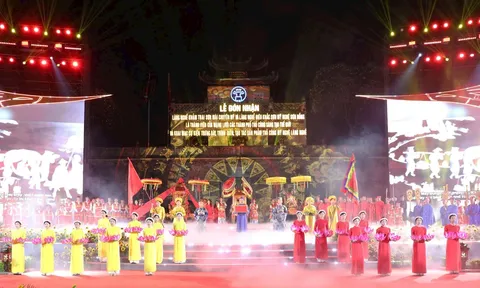
Dưới lăng kính của tư liệu học và luật pháp lịch sử, sự hiện diện và sứ mệnh kiêm quản vùng đảo phía Nam của Đội Bắc Hải chính là mảnh ghép hoàn hảo, minh chứng cho sự mở rộng không gian quản lý lãnh hải một cách toàn diện, chặt chẽ của Nhà nước quân chủ Việt Nam từ nhiều thế kỷ trước.
Tổ chức và sứ mệnh kiêm quản vùng đảo phía Nam trong sử liệu
Khảo sát sâu vào hệ thống thư tịch cổ, các bộ sử chí chính thống cùng tư liệu từ các cơ quan lưu trữ địa phương, Đội Bắc Hải được thiết lập với cơ cấu tổ chức tương đồng và gắn kết chặt chẽ với Đội Hoàng Sa trong hệ thống quản lý hàng hải của triều đình. Nếu Đội Hoàng Sa chủ yếu tập trung quản lý, khai thác và thực thi chủ quyền tại các khu vực quần đảo ngoài khơi xa như Hoàng Sa, thì Đội Bắc Hải lại gánh vác sứ mệnh kiêm quản, tuần tra và bảo vệ các vùng biển đảo xa hơn về phía Nam. Địa bàn hoạt động của đội này không chỉ giới hạn ở một vùng trũng hải phận hẹp, mà vươn tỏa rộng khắp từ các vùng đảo ven bờ cho đến khu vực Côn Lôn (Côn Sơn), các đảo thuộc vùng biển Hà Tiên và các vùng thềm lục địa, hải đảo lân cận.
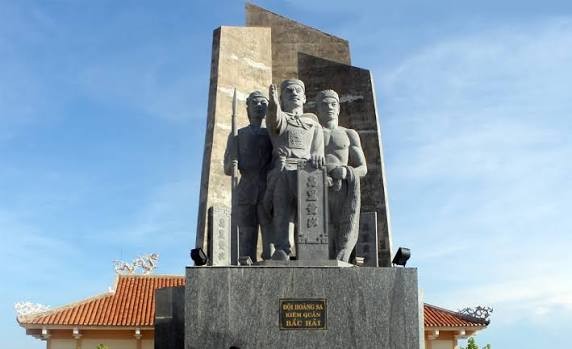
Các tài liệu lịch sử kinh điển như Phủ biên tạp lục của bác học Lê Quý Đôn đã ghi chép rất rõ ràng về cơ chế hoạt động của lực lượng này. Đội Bắc Hải hoạt động dưới sự quản lý trực tiếp của triều đình phối hợp cùng chính quyền địa phương cấp trấn, được tuyển chọn từ những suất đội dũng cảm, am hiểu tường tận địa thế sông nước, sóng gió phương Nam. Nhiệm vụ của họ không chỉ là tuần tra, thu lượm sản vật từ các tàu đắm, khảo sát hải trình, mà còn đóng vai trò như lực lượng đồn trú, bảo hộ an ninh và khẳng định chủ quyền thực tế cho các vùng biển đảo mới khai phá. Sự phân công rạch ròi, bài bản này phản ánh tư duy quản lý lãnh thổ mang tầm chiến lược quốc gia, thể hiện tầm nhìn địa chính trị sắc sảo của các chúa Nguyễn và triều đình nhà Nguyễn trong việc bao quát toàn bộ không gian biển đảo từ Trung tới Nam.
Cơ sở pháp lý và nguyên tắc chiếm hữu thực sự qua lăng kính lịch sử
Đặt vấn đề dưới góc nhìn của một chuyên gia nghiên cứu lịch sử và luật học, hoạt động kiêm quản của Đội Bắc Hải cấu thành nên bằng chứng thực tế vô cùng giá trị về nguyên tắc "chiếm hữu thực sự" (effective occupation) theo chuẩn mực luật pháp quốc tế cổ điển. Nhà nước phong kiến Việt Nam không đưa ra những tuyên bố chủ quyền suông trên giấy, mà trực tiếp cử lực lượng chính quy ra quản lý, thực thi thẩm quyền công khai, hòa bình và liên tục qua nhiều thế hệ.
Việc triều đình ban hành các chỉ dụ, định chế quy chế hoạt động cho Đội Bắc Hải minh chứng rằng hệ thống hành chính từ trung ương đã vươn đến tận những vùng biển đảo xa xôi nhất phía Nam. Những tư liệu này tạo thành một chuỗi xích pháp lý vững chắc, bổ sung hoàn hảo cho hồ sơ chủ quyền tổng thể của quốc gia, bác bỏ hoàn toàn mọi luận điệu xuyên tạc hoặc bóp méo lịch sử từ bên ngoài về tính liên tục trong quá trình thực thi quyền lực nhà nước trên Biển Đông, khẳng định sự toàn vẹn trong chủ quyền lãnh thổ từ đất liền ra tới các vùng biển đảo xa khơi.
Giá trị trường tồn của sứ mệnh lịch sử trong bối cảnh hiện nay
Thời gian trôi qua, những trang sử cũ ghi về Đội Bắc Hải nay đã trở thành những di sản tư liệu vô giá, nhắc nhở thế hệ mai sau về ý chí khai hoang, mở cõi và bảo vệ biên cương hải đảo đầy gian khổ nhưng vô cùng vẻ vang của cha ông.
Trong giai đoạn hiện nay, khi tình hình Biển Đông đặt ra những yêu cầu cấp thiết về việc duy trì hòa bình, ổn định và thượng tôn pháp luật quốc tế, những trang sử về Đội Bắc Hải cùng hệ thống tư liệu chính thống chính là minh chứng không thể chối cãi. Chúng củng cố vững chắc lập trường chính nghĩa của Việt Nam, đồng thời bồi đắp thêm ý thức trách nhiệm thiêng liêng cho thế hệ hôm nay trong sứ mệnh bảo vệ toàn vẹn non sông đất nước.
The Bac Hai Detachment and the Mission of Managing Southern Island Regions in Ancient Historical Documents
When examining the lengthy history of establishing and exercising Vietnam's maritime island sovereignty, alongside the renowned Hoang Sa Detachment operating in the East Sea, ancient historical documents of the feudal court also recorded another vital military-administrative force: the Bac Hai Detachment. Through the lens of archival science and historical jurisprudence, the presence and mission of managing the southern island regions by the Bac Hai Detachment serve as a flawless complementary piece, testifying to the comprehensive and rigorous expansion of maritime space management by the Vietnamese monarchical State centuries ago.
Organization and the Mission of Managing Southern Islands in Historical Records
Delving deeply into official historical chronicles, geographical texts, and localized archival sources, the Bac Hai Detachment was established with an organizational structure similar to and closely linked with the Hoang Sa Detachment within the court's maritime management system. While the Hoang Sa Detachment primarily focused on managing, exploiting, and exercising sovereignty over distant offshore archipelagos such as Hoang Sa, the Bac Hai Detachment shouldered the mission of managing, patrolling, and protecting island regions further to the south. Its operational theater spanned broadly from coastal islands to the Con Lon (Con Son) archipelago, the waters of Ha Tien, and adjacent continental shelf and island zones.
Classic historical documents such as Phủ biên tạp lục (Frontier Chronicles of Dang Trong) by the scholar Le Quy Don clearly recorded the operational mechanism of this force. The Bac Hai Detachment operated under the direct management of the court in coordination with local provincial authorities, recruited from courageous soldiers thoroughly knowledgeable about southern waterways and treacherous waves. Their duties involved not only patrolling, harvesting marine products from wrecks, conducting hydrographic surveys, but also serving as a garrison force safeguarding security and affirming actual sovereignty for newly explored maritime regions. This clear and systematic division of labor reflected a national strategic territorial management mindset, demonstrating the astute geopolitical vision of the Nguyen Lords and the Nguyen Dynasty in encompassing the entire maritime space from the central to the southern regions.
Legal Foundations and the Principle of Effective Occupation Through the Historical Lens
Framed through the perspective of a historical and legal research expert, the management activities of the Bac Hai Detachment constitute immensely valuable empirical evidence regarding the principle of "effective occupation" according to classical international law standards. The Vietnamese feudal state did not issue empty declarations of sovereignty on paper, but directly dispatched regular forces to manage and exercise authority publicly, peacefully, and continuously across generations.
The court's issuance of edicts and operational regulations for the Bac Hai Detachment proves that the central administrative system reached the most distant southern maritime islands. These materials form a solid legal chain, perfectly complementing the overall national sovereignty dossier, entirely refuting distorted arguments or external historical distortions regarding the continuity of exercising state power in the East Sea, thereby affirming the integrity of territorial sovereignty from the mainland out to distant islands and seas.
The Enduring Value of Historical Mission in the Current Context
As time passes, ancient historical records detailing the Bac Hai Detachment have now become invaluable documentary heritages, reminding future generations of the arduous yet glorious will of our forebears in reclaiming, expanding, and protecting maritime borders.
In the current period, when the East Sea situation poses urgent demands for maintaining peace, stability, and the supremacy of international law, the historical records concerning the Bac Hai Detachment and official documentation serve as undeniable proof. They solidly reinforce Vietnam's righteous stance while cultivating a sacred sense of responsibility for today's generation in the mission to safeguard the territorial integrity of the country.