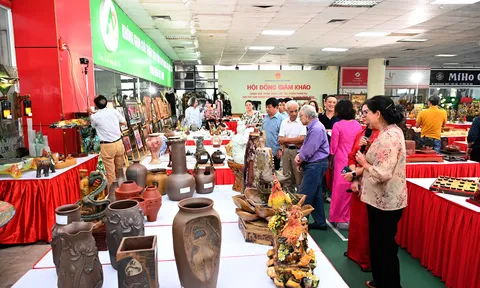
Không dừng lại ở những chuyến khảo sát tuần tra thông thường, dưới triều vua Minh Mạng, các hoạt động đo đạc hải trình, cắm bia sở cứ, dựng miếu và trồng cây xanh tại quần đảo Hoàng Sa đã được quy định thành quốc lệnh. Đây là những minh chứng pháp lý sống động, đanh thép nhất khẳng định nguyên tắc chiếm hữu thực sự theo chuẩn mực luật pháp quốc tế cổ điển.
Quyết sách mang tầm chiến lược và những chuyến hải trình lịch sử
Khảo sát sâu vào hệ thống sử chí chính thống cùng các tài liệu lưu trữ triều Nguyễn, triều đại vua Minh Mạng luôn dành sự quan tâm đặc biệt cho công tác quản lý biên cương hải đảo. Vào các năm 1835 và 1836, nhà vua liên tục ban hành các chỉ dụ sắc bén, giao các bộ viện liên quan tuyển chọn binh lính, chuẩn bị thuyền bè, tư trang và giao nhiệm vụ trực tiếp cho các suất đội thủy quân ra khơi thực hiện nhiệm vụ thiêng liêng tại Hoàng Sa.
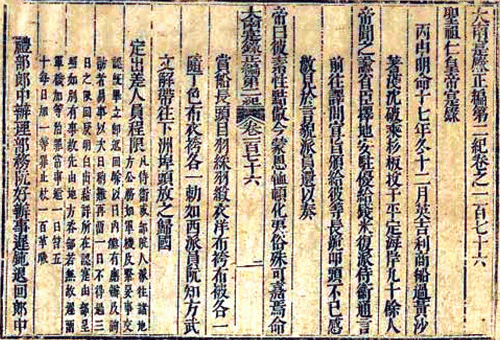
Khác với các giai đoạn trước mang tính thăm dò và khai thác định kỳ, các chuyến hải trình dưới thời Minh Mạng được tổ chức với quy mô khảo sát khoa học toàn diện. Triều đình yêu cầu phái đoàn phải đo đạc tường tận chiều dài, chiều rộng, chu vi các hòn đảo, xem xét độ nông sâu của vùng biển, ghi chép địa thế đường đi bằng bản đồ tỉ mỉ và khảo sát mọi đặc điểm tự nhiên. Sự chỉ đạo trực tiếp từ nhà vua cho thấy tư duy quản lý lãnh thổ hiện đại, minh bạch và có hệ thống, biến các thực thể giữa đại dương thành một phần không thể tách rời trong bản đồ hành chính của quốc gia Đại Nam. Những chỉ dụ này được ghi chép cẩn trọng trong các bộ sử chính thống như Đại Nam thực lục, phản ánh sự chuẩn bị chu đáo về cả nhân lực lẫn vật lực từ phía triều đình trung ương.
Cắm bia sở cứ, xây dựng đền miếu và thiết lập chủ quyền tường minh
Đỉnh cao của quá trình thực thi chủ quyền dưới thời vua Minh Mạng chính là việc cho phép xây dựng các công trình kiến trúc biểu tượng và cắm mốc chủ quyền trực tiếp trên quần đảo Hoàng Sa. Theo sử liệu chính thống, nhà vua đã chuẩn y cho phép dựng bia đá chủ quyền khắc ghi rõ ràng chủ quyền của triều đình, xây dựng đền thờ (gọi là miếu), tạo dựng cột mốc, và trồng thêm cây xanh để nhận diện từ xa.
Chiếu theo các tư liệu lịch sử được ghi nhận, tiêu biểu như sự kiện triều đình sai cai đội thủy quân đem lính thợ giám thành cùng phu thuyền các tỉnh chuyên chở vật liệu ra đảo để dựng miếu, bên tả miếu dựng bia đá và phía trước xây bình phong kiên cố. Dưới lăng kính của một chuyên gia nghiên cứu lịch sử và luật học, hành động cắm bia sở cứ, xây dựng đền miếu và trồng cây không đơn thuần là những hoạt động mang tính tâm linh hay tín ngưỡng thuần túy. Đó là những hành vi biểu thị chủ quyền công khai (public display of sovereignty) có tính pháp lý ràng buộc quốc tế cao nhất theo tập quán pháp lý cổ điển. Việc dựng bia đá chủ quyền mang quốc hiệu và năm tháng rõ ràng chính là tấm khiên bằng đá vững chắc, đánh dấu sự hiện diện hợp pháp, liên tục và không vấp phải bất kỳ sự phản đối nào từ các quốc gia lân cận vào thời điểm đó. Những công trình ấy tồn tại như những nhân chứng bằng vật chất, khẳng định đanh thép rằng Hoàng Sa là lãnh thổ có chủ, thuộc quyền quản lý trực tiếp của triều đình phong kiến Việt Nam.
Tầm nhìn hướng biển và giá trị trường tồn trong bối cảnh hiện nay
Dưới góc nhìn phân tích chuyên sâu, các quyết sách của vua Minh Mạng không chỉ mang giá trị giải quyết tình thế mà còn phản ánh tầm nhìn địa chính trị vượt thời đại. Nhà vua hiểu rõ rằng trong không gian hàng hải quốc tế đầy biến động, việc duy trì sự hiện diện vật chất thông qua các công trình kiến trúc, bia đá và đội ngũ tuần tra chính là chìa khóa để bảo vệ không gian sinh tồn của quốc gia.
Thời gian qua đi, những dấu tích vật chất ban đầu trên đảo có thể đã trải qua nhiều biến thiên của chiến tranh và thời tiết, nhưng giá trị pháp lý từ các chỉ dụ, bản đồ và Châu bản triều Nguyễn thời Minh Mạng vẫn trường tồn vĩnh cửu. Chúng tạo thành một hệ thống hồ sơ lịch sử hoàn chỉnh, khoa học và không thể chối cãi, bác bỏ hoàn toàn mọi luận điệu xuyên tạc hay yêu sách phi lý về chủ quyền biển đảo.
Trong giai đoạn hiện nay, khi tình hình Biển Đông đòi hỏi sự tôn trọng nghiêm ngặt luật pháp quốc tế và các nguyên tắc giải quyết tranh chấp hòa bình, những bài học từ quyết sách của vua Minh Mạng càng trở nên vô giá. Chúng nhắc nhở chúng ta về tầm nhìn chiến lược vĩ đại của cha ông, đồng thời củng cố niềm tin và ý chí kiên định của thế hệ hôm nay trong sứ mệnh bảo vệ toàn vẹn từng tấc đất, vùng biển thiêng liêng của Tổ quốc trên trường quốc tế.
Orders for Surveying, Erecting Sovereignty Steles, and Constructing Shrines in Hoang Sa During the Reign of Emperor Minh Mang
When examining the process of exercising actual sovereignty by the Vietnamese monarchical State in the East Sea, the reign of Emperor Minh Mang emerges as a golden milestone characterized by resolute, systematic administrative decisions of profound national strategic scope. Going beyond ordinary survey patrols, under Emperor Minh Mang, activities such as hydrographic surveys, planting sovereignty markers, building shrines, and planting trees in the Hoang Sa archipelagos were institutionalized as national decrees. These represent the most vivid and resolute legal evidence affirming the principle of effective occupation according to classical international legal standards.
Strategic Decisions and Historic Maritime Expeditions
Delving deeply into official historical chronicles and archived materials of the Nguyen Dynasty, Emperor Minh Mang's reign consistently paid special attention to the management of maritime borderlands and islands. In 1835 and 1836, the Emperor continuously issued sharp edicts instructing relevant ministries to select soldiers, prepare vessels and provisions, and directly assign naval detachments to set sail to execute sacred duties in Hoang Sa.
Unlike earlier periods centered on exploratory and periodic harvesting missions, the maritime voyages under Minh Mang were organized with the scale of comprehensive scientific surveys. The royal court required expeditions to meticulously measure the length, width, and perimeter of islands, examine the shallows and depths of regional waters, record geographical routes through detailed maps, and survey all natural characteristics. Direct directives from the Emperor demonstrated a modern, transparent, and systematic territorial management mindset, turning offshore entities into an inseparable part of the national administrative map of the Dai Nam state. These edicts were carefully recorded in official historical chronicles such as Đại Nam thực lục, reflecting thorough preparations regarding both human resources and material provisions from the central court.
Erecting Sovereignty Steles, Constructing Shrines, and Establishing Transparent Sovereignty
The pinnacle of the sovereignty-exercising process under Emperor Minh Mang was the authorization to construct symbolic architectural works and plant sovereignty markers directly on the Hoang Sa archipelagos. According to official historical records, the Emperor approved the construction of stone sovereignty steles clearly inscribing the court's sovereignty, the building of shrines (temples), the establishment of boundary markers, and the planting of trees for remote recognition.
Historical records indicate specific instances where the court dispatched naval leaders, construction workers, and local boat crews carrying building materials to the islands to construct shrines, erect stone steles to the left of the shrines, and build protective screens in front. From the perspective of a historical and legal research expert, the acts of planting sovereignty steles, constructing shrines, and planting trees were not merely spiritual or religious activities. They constituted acts demonstrating the public display of sovereignty possessing the highest binding international legal value under classical legal customs. The erection of sovereignty stone steles bearing clear national titles and dates served as solid stone shields, marking the legitimate and continuous presence without encountering any objections from neighboring states at that time. Those works existed as physical witnesses, decisively affirming that Hoang Sa was territory with an owner, under the direct administrative management of the Vietnamese feudal court.
Vision and Enduring Value in the Current Context
From an in-depth analytical perspective, Emperor Minh Mang's decisions possessed not only temporary situational value but also reflected a geopolitical vision transcending eras. The Emperor clearly understood that within the volatile international maritime space, maintaining physical presence through architectural works, stone steles, and patrol forces was the key to protecting the nation's living space.
As time passes, the initial physical traces on the islands may have undergone numerous fluctuations of war and weather, but the legal value derived from Emperor Minh Mang's edicts, maps, and Nguyen Dynasty administrative documents endures eternally. They form a complete, scientific, and undeniable historical dossier, entirely refuting all distorted arguments or absurd claims regarding maritime sovereignty.
In the current context, when the situation in the East Sea demands strict respect for international law and principles of peaceful dispute settlement, lessons from Emperor Minh Mang's decisions become invaluable. They remind us of the grand strategic vision of our forebears, while reinforcing the unwavering belief and resolve of today's generation in the mission to safeguard the territorial integrity of every inch of the Fatherland's sacred land and sea in the international arena.