Trái lại, Mộc bản triều Nguyễn chính là những bản gốc hành chính tối mật, những văn bản pháp lý sắc bén phản ánh chân thực, khách quan và không thể chối cãi về quá trình xác lập, quản lý, thực thi chủ quyền của Nhà nước quân chủ Việt Nam đối với hai quần đảo Hoàng Sa và Trường Sa.
Giá trị độc bản và tính xác thực lịch sử của Mộc bản triều Nguyễn
Khảo sát sâu vào kỹ thuật biên soạn và lưu trữ, Mộc bản triều Nguyễn là tập hợp hàng vạn tấm ván gỗ khắc chữ Hán và chữ Nôm được dùng để in các bộ sử chí, sách chính thống của triều đình như Đại Nam thực lục, Khâm định Đại Nam hội điển sự lệ. Điểm mấu chốt tạo nên giá trị pháp lý đặc biệt của khối tư liệu này nằm ở quy trình phê duyệt vô cùng khắt khe dưới sự kiểm soát chặt chẽ của triều đình phong kiến. Trước khi được khắc lên gỗ để nhân bản, mọi tấu chương, chỉ dụ, sắc phong đều phải qua sự kiểm duyệt ngặt nghèo của các cơ quan đầu não như Nội các, các Bộ và nhận được ngự phê trực tiếp từ hoàng đế.
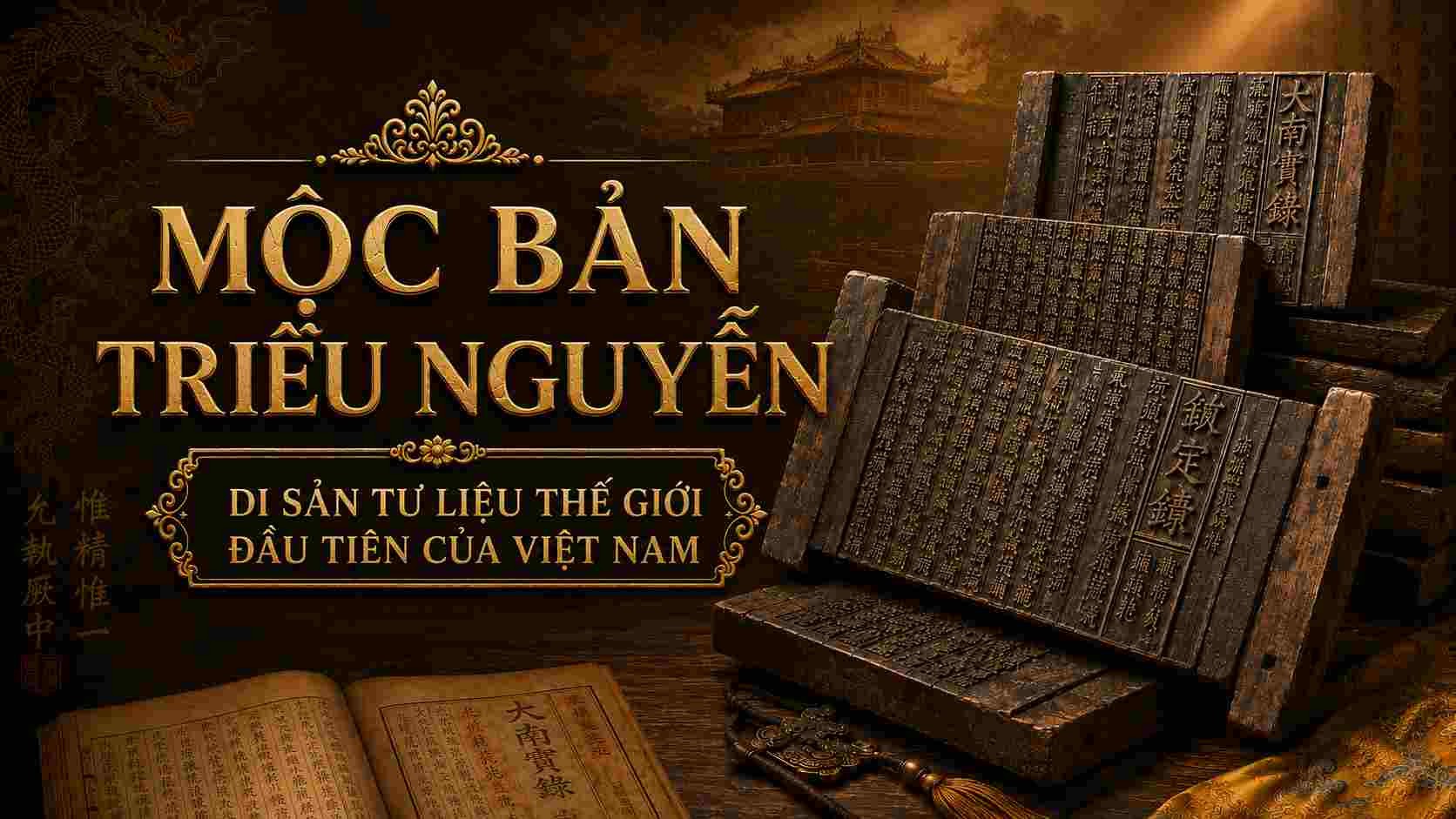
Dưới lăng kính của tư liệu học hiện đại, Mộc bản mang tính xác thực tuyệt đối bởi chúng không thể bị làm giả hay chỉnh sửa sau khi đã khắc thành ván. Sự công nhận từ tổ chức UNESCO chính là minh chứng hùng hồn khẳng định Mộc bản triều Nguyễn đáp ứng trọn vẹn các tiêu chuẩn khắt khe của thế giới về tính nguyên bản, độc bản, cũng như giá trị lịch sử, văn hóa và pháp lý toàn cầu. Mỗi một dòng chữ khắc trên gỗ về việc triều đình cử Đội Hoàng Sa, Đội Bắc Hải ra khơi đo đạc hải trình, cắm mốc, dựng bia hay cứu hộ tàu thuyền đều là những tư liệu nguyên bản, sống động. Chúng đại diện cho tiếng nói chính thống của nhà nước phong kiến, phản ánh phương thức quản lý hành chính minh bạch, quy củ và tuân thủ chặt chẽ các nguyên tắc pháp lý lịch sử.
Khắc họa chủ quyền biển đảo qua lăng kính mộc bản hoàng triều
Đặt vấn đề dưới góc nhìn của một chuyên gia nghiên cứu lịch sử và luật học, những tấm ván khắc gỗ của triều Nguyễn chính là minh chứng bằng vật chất cho nguyên tắc "chiếm hữu thực sự" (effective occupation) theo chuẩn mực công pháp quốc tế. Thông qua các dòng mộc bản ghi chép chi tiết về các chuyến hải trình hằng năm, lịch sử đã chứng minh Nhà nước Việt Nam không hề bỏ ngỏ hay vô chủ hóa các vùng biển đảo ngoài khơi. Ngược lại, triều đình đã thực thi thẩm quyền công khai, hòa bình và liên tục, biến các vùng hải phận xa xôi thành một phần không thể tách rời của cương thổ quốc gia.
Dưới góc độ địa chính trị và pháp lý đương đại, hệ thống Mộc bản còn mang ý nghĩa như một cấu trúc bằng chứng vật thể phản bác trực diện mọi âm mưu xuyên tạc lịch sử. Việc UNESCO ghi danh Mộc bản triều Nguyễn vào danh mục Di sản Tư liệu Thế giới không chỉ tôn vinh giá trị văn hóa nghệ thuật khắc in, mà còn khẳng định tầm vóc quốc tế của hệ thống tư liệu lịch sử Việt Nam. Khi cộng đồng thế giới trân trọng và bảo tồn khối di sản này, đồng nghĩa với việc những chân lý lịch sử được khắc ghi trên gỗ - trong đó có các trang viết tường minh về Hoàng Sa và Trường Sa - được cộng đồng quốc tế nhìn nhận khách quan, minh bạch. Khối di sản tư liệu quý giá này đã vượt qua không gian biên giới quốc gia để trở thành tài sản chung của nhân loại, đồng thời là "tấm khiên" pháp lý bằng gỗ vô cùng bền vững, đập tan mọi luận điệu xuyên tạc hay bóp méo lịch sử từ bên ngoài.
Sức sống trường tồn của di sản tư liệu trong giai đoạn hiện nay
Thời gian qua đi, những ván mộc bản nâu trầm lặng lẽ nằm trong kho lưu trữ quốc gia vẫn ngày đêm phát huy sứ mệnh lịch sử thiêng liêng của mình. Trong giai đoạn hiện nay, giữa những diễn biến phức tạp của tình hình Biển Đông, hệ thống Mộc bản triều Nguyễn chính là ngọn hải đăng soi sáng chân lý, cung cấp cơ sở khoa học và pháp lý vững chắc cho lập trường chính nghĩa của Việt Nam.
Trân trọng, gìn giữ và phát huy giá trị của di sản mộc bản được UNESCO ghi danh không chỉ là trách nhiệm bảo tồn văn hóa, mà còn là hành động khẳng định mạnh mẽ chủ quyền quốc gia. Những nét chữ khắc sâu trên gỗ chính là ý chí, là máu thịt và là lời khẳng định đanh thép của cha ông qua nhiều thế kỷ, trao truyền lại cho thế hệ hôm nay và mai sau trong sứ mệnh kiên quyết bảo vệ toàn vẹn non sông đất nước.
Evidence From the Nguyen Dynasty's Woodblocks Inscribed by UNESCO
When examining the treasure trove of historical documentary heritage of the Vietnamese nation, the system of the Nguyen Dynasty's Woodblocks holds a unique position and possesses supreme legal value. Inscribed by UNESCO into the Memory of the World Register in 2009, this heritage collection is far from ordinary woodblock printing plates for books. On the contrary, the Nguyen Dynasty's Woodblocks serve as top-secret imperial administrative originals and sharp legal documents reflecting truthfully, objectively, and indisputably the process of establishing, managing, and exercising sovereignty by the Vietnamese monarchical State over the Hoang Sa and Truong Sa archipelagos.
Unique Value and Historical Authenticity of the Nguyen Dynasty's Woodblocks
Delving deeply into compilation and archival techniques, the Nguyen Dynasty's Woodblocks comprise tens of thousands of wooden panels carved with Sino-Vietnamese and Nom characters used to print official court chronicles and historical books such as Đại Nam thực lục and Khâm định Đại Nam hội điển sự lệ. The pivotal factor granting this documentary corpus its exceptional legal value lies in its extremely rigorous approval process under the strict control of the feudal court. Before being carved onto wood for replication, all memorials, edicts, and imperial appointments had to undergo stringent censorship by core agencies such as the Cabinet and Ministries, receiving direct vermilion endorsements from the emperor.
Under the lens of modern archival science, the woodblocks possess absolute authenticity because they could not be forged or altered after being carved into planks. UNESCO's recognition serves as a resounding testament affirming that the Nguyen Dynasty's Woodblocks fully meet global rigorous standards regarding originality, uniqueness, as well as universal historical, cultural, and legal values. Every single line of text carved into the wood concerning the court's dispatch of the Hoang Sa and Bac Hai Detachments to conduct maritime surveys, plant markers, erect steles, or rescue vessels represents original, vivid documentation. They represent the official voice of the feudal state, reflecting transparent, orderly administrative management methods that strictly adhered to historical legal principles.
Depicting Maritime Sovereignty Through the Lens of Imperial Woodblocks
Framed through the perspective of a historical and legal research expert, the Nguyen Dynasty's carved wooden planks constitute physical evidence of the principle of "effective occupation" according to international public law standards. Through detailed woodblock records concerning annual maritime voyages, history proves that the Vietnamese State never left offshore maritime islands vacant or unowned. On the contrary, the court exercised public, peaceful, and continuous authority, turning distant maritime domains into an inseparable part of national territory.
From a geopolitical and contemporary legal perspective, the Woodblock system also serves as a physical evidentiary structure directly refuting all historical distortion plots. UNESCO's inscription of the Nguyen Dynasty's Woodblocks into the Memory of the World Register honors not only the cultural and artistic value of printing craftsmanship but also affirms the international stature of Vietnam's historical documentary system. When the global community cherishes and preserves this heritage, it implies that the historical truths carved on wood—including explicit accounts of Hoang Sa and Truong Sa—are recognized objectively and transparently by the international community. This precious documentary heritage has transcended national borders to become a shared asset of humanity, while serving as an exceptionally durable wooden legal "shield," shattering all external distortions or historical fabrications.
The Enduring Vitality of Documentary Heritage in the Current Period
As time passes, the deep-brown woodblocks resting quietly within the national archives continue day and night to fulfill their sacred historical mission. In the current period, amidst complex developments in the East Sea situation, the Nguyen Dynasty's Woodblock system acts as a lighthouse illuminating the truth, providing solid scientific and legal foundations for Vietnam's righteous stance.
Cherishing, preserving, and promoting the values of the UNESCO-inscribed woodblock heritage is not only a cultural preservation responsibility, but also an action strongly affirming national sovereignty. The characters deeply carved into the wood embody the will, the flesh and blood, and the resolute affirmation of our forebears across centuries, handed down to today's and tomorrow's generations in the mission to decisively safeguard the territorial integrity of the country.