Không đơn thuần là những di tích văn bản mang tính nghi lễ thuần túy, những tư liệu hành chính cổ ấy chính là những minh chứng pháp lý tối cao theo tập quán pháp lý quốc tế. Chúng phác họa tường minh cách thức mà nhà nước phong kiến Việt Nam vươn bàn tay quản lý hành chính ra các vùng biển đảo xa bờ, biến những thực thể địa lý ngoài khơi thành một phần máu thịt, không thể tách rời của cương thổ quốc gia.
Hệ thống sắc phong và tính pháp lý công công dưới lăng kính công pháp lịch sử
Khảo sát sâu vào kho tàng tư liệu Hán Nôm, các châu bản và sắc phong lưu giữ tại nhiều thiết chế văn hóa, đình miếu ven biển, người ta không khỏi thán phục sự chặt chẽ trong thiết chế hành chính công của cha ông. Dưới góc độ nghiên cứu chuyên sâu, từ thế kỷ XVII, khi các chúa Nguyễn ở đàng Trong từng bước củng cố thế lực và mở rộng không gian kinh tế hàng hải, hệ thống văn bản hành chính đã được thiết lập như một công cụ quyền lực nhà nước nhằm trao quyền, định chế trách nhiệm pháp lý cho các lực lượng thực thi nhiệm vụ trên biển.
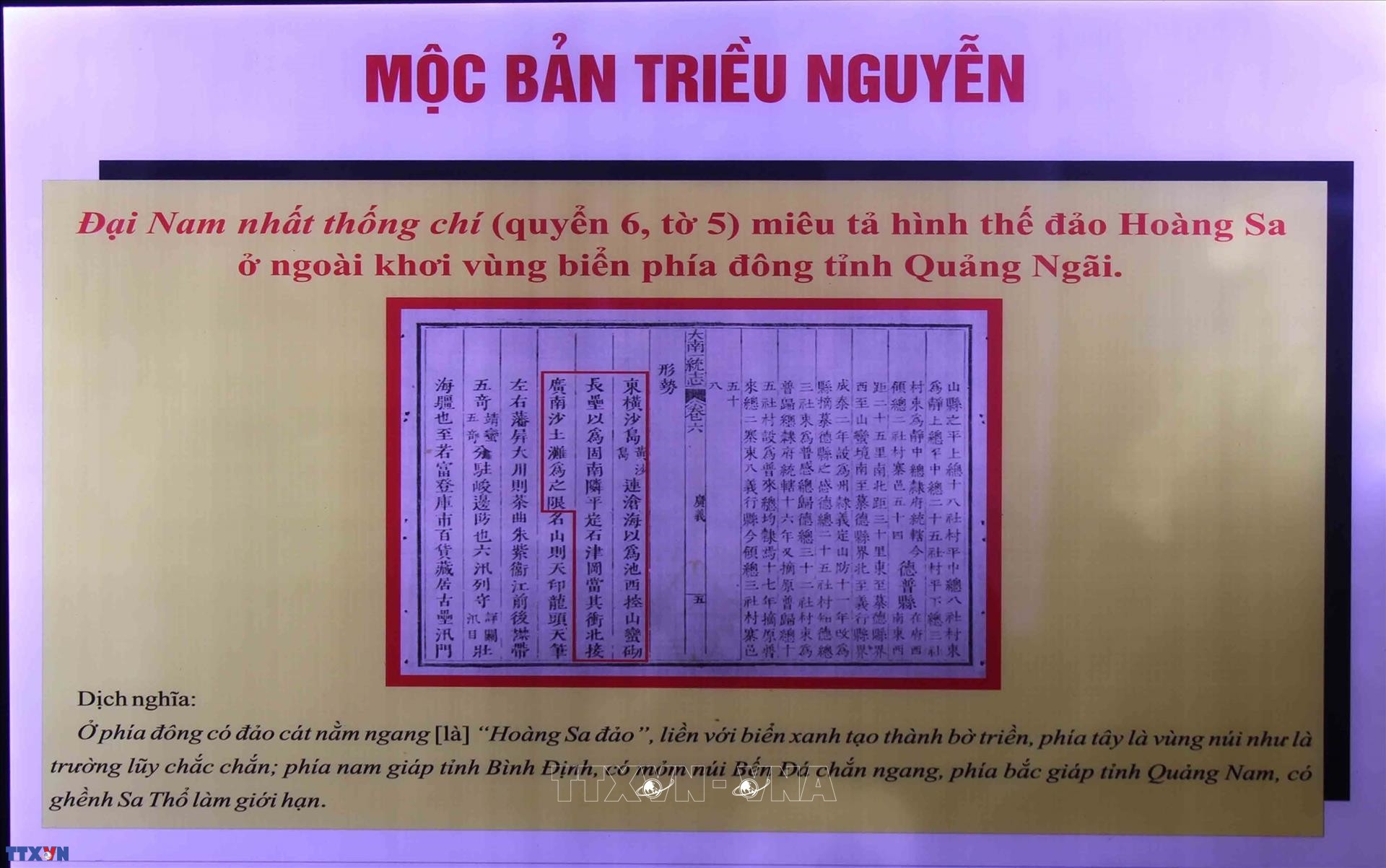
Mỗi đạo sắc phong ban hành đều mang theo ấn tín hoàng gia, thể hiện ý chí tối cao và thẩm quyền tuyệt đối của triều đình trung ương. Việc trao sắc phong cho các đội trinh hải, các thế hệ binh đinh đi đội Hoàng Sa hay các bậc kỳ hào, nhân dân có công trấn giữ, khai khẩn vùng duyên hải không chỉ mang ý nghĩa tri ân tín ngưỡng, mà còn là sự khẳng định về mặt công pháp: nhà nước trực tiếp quản lý, bảo hộ và trao thẩm quyền hành pháp cho công dân trên các vùng hải phận thuộc chủ quyền. Đó là sự hiện diện bằng văn bản pháp lý minh bạch, cấu thành nên bằng chứng thực tế về việc thực thi quyền lực nhà nước một cách công khai, liên tục và không vấp phải bất kỳ sự phản kháng hay tranh chấp nào từ các thực thể lân cận thời điểm bấy giờ.
Tư duy quản lý lãnh hải sớm và nền tảng của nguyên tắc chiếm hữu thực sự
Đặt vấn đề dưới góc nhìn của một chuyên gia nghiên cứu lịch sử và luật học, việc ban hành các văn bản hành chính và sắc phong từ thế kỷ XVII minh chứng một cách khoa học rằng tư duy hướng biển của người Việt đã hình thành rất sớm, vượt xa tầm nhìn thương mại đơn thuần. Trong bối cảnh nhiều quốc gia trong khu vực còn e dè trước không gian đại dương mênh mông, nhà nước phong kiến Việt Nam đã sớm định hình biển đảo là không gian sinh tồn chiến lược, là phên giậu cần phải được quản lý, kiểm soát bằng hệ thống luật lệ và thiết chế hành chính nghiêm ngặt.
Các văn bản hành chính này tạo thành một chuỗi xích pháp lý liền mạch, cấu thành nền tảng vững chắc cho nguyên tắc "chiếm hữu thực sự" (effective occupation) theo tiêu chuẩn của luật pháp quốc tế cổ điển. Chúng được nối tiếp qua các đời chúa Nguyễn và sau này được các triều đại kế thừa, nâng tầm thành hệ thống pháp luật quốc gia toàn diện. Những tư liệu này bác bỏ hoàn toàn các luận điệu xuyên tạc cho rằng chủ quyền của Việt Nam tại hai quần đảo Hoàng Sa và Trường Sa chỉ là sự nhận vơ muộn màng trong thời kỳ cận đại. Thực tế lịch sử đã khẳng định một chân lý: chủ quyền ấy được dựng xây bằng những văn bản hành chính, sắc phong có giá trị pháp lý đanh thép từ tận thế kỷ XVII.
Giá trị trường tồn của di sản văn bản hành chính trong giai đoạn hiện nay
Thời gian qua đi, những tờ sắc phong ngả màu theo năm tháng và các bản tấu sớ cổ xưa nay đã trở thành những bảo vật tư liệu vô giá của quốc gia. Trong giai đoạn hiện nay, khi tình hình Biển Đông luôn đặt ra những bài toán phức tạp về pháp lý, ngoại giao và an ninh hàng hải, hệ thống văn bản hành chính từ thế kỷ XVII chính là những bằng chứng thực tế không thể chối cãi, bảo vệ vững chắc lập trường chính nghĩa của dân tộc.
Chúng nhắc nhở chúng ta rằng lịch sử giữ nước chưa bao giờ vắng bóng những tư duy chiến lược sắc sảo và tầm nhìn hướng biển vĩ đại của cha ông. Trân trọng, giữ gìn, giải mã và phát huy các giá trị từ di sản văn bản hành chính ấy chính là phương thức khoa học để thế hệ hôm nay khẳng định mạnh mẽ chủ quyền thiêng liêng của Tổ quốc trên trường quốc tế, góp phần bảo vệ vững chắc nền hòa bình và thượng tôn pháp luật.
Imperial Edicts and State Administrative Documents Affirming Maritime Sovereignty Since the 17th Century
When examining the lengthy history of establishing Vietnam's sovereignty in the East Sea, researchers in historical science and jurisprudence frequently pay special attention to the system of state administrative documents and imperial edicts emerging from the 17th century. Far beyond mere traditional ritualistic document relics, those ancient administrative sources serve as supreme legal evidence under international legal customs. They clearly outline how the Vietnamese feudal state extended its administrative management reach to distant offshore islands, transforming offshore geographical entities into an inseparable flesh-and-blood part of the national territory.
The System of Edicts and the Public Legal Nature Under the Historical Public Law Lens
Delving deeply into the repository of Sino-Vietnamese documents, imperial records, and edicts preserved across numerous cultural institutions and coastal communal shrines, one cannot fail to admire the rigor in our forebears' public administrative institutions. From a specialized research perspective, starting from the 17th century, as the Nguyen Lords in Dang Trong gradually consolidated their power and expanded maritime economic spaces, an administrative document system was established as an instrument of state power to delegate authority and institutionalize legal responsibilities for forces executing tasks at sea.
Every issued edict bore royal seals, reflecting the supreme will and absolute authority of the central court. Conferring edicts upon maritime reconnaissance detachments, generations of drafted soldiers serving in the Hoang Sa teams, or local notables and citizens credited with guarding and reclaiming coastal regions held not only spiritual gratitude significance but also served as an affirmation under public law: the state directly managed, protected, and delegated executive authority to citizens across maritime domains under its sovereignty. This represented the presence of transparent legal documentation, constituting empirical proof of the exercise of state power in a public, continuous manner without encountering any resistance or disputes from neighboring entities at that time.
Early Maritime Management Thinking and the Foundation of the Principle of Effective Occupation
Framed through the perspective of a historical and legal research expert, the issuance of administrative documents and edicts from the 17th century scientifically proves that the outward-looking maritime vision of the Vietnamese people took shape very early on, surpassing mere commercial vision. Amidst a context where many nations in the region remained hesitant before the vast ocean, the Vietnamese feudal state early on defined maritime islands as strategic living spaces and bulwarks that needed to be managed and controlled by strict legal systems and administrative institutions.
These administrative documents formed a seamless legal chain, constituting the solid foundation for the principle of "effective occupation" according to classical international law standards. They continued through the Nguyen Lords and were subsequently inherited by succeeding dynasties, elevating them into a comprehensive national legal system. These materials completely refute distorted arguments claiming that Vietnam's sovereignty over the Hoang Sa and Truong Sa archipelagos was merely a late appropriation during the modern era. Historical reality has affirmed a truth: that sovereignty was built upon administrative documents and edicts possessing resolute legal value dating all the way back to the 17th century.
The Enduring Value of Administrative Document Heritage in the Current Period
As time passes, edicts yellowed by the years and ancient memorials have now become invaluable documentary treasures of the nation. In the current period, when the East Sea situation consistently poses complex legal, diplomatic, and maritime security puzzles, the system of administrative documents from the 17th century serves as indisputable empirical evidence, solidly safeguarding the righteous stance of the nation.
They remind us that the history of safeguarding the country has never lacked the acute strategic thinking and grand maritime vision of our forebears. Cherishing, preserving, deciphering, and promoting the values derived from that administrative documentary heritage is the scientific method for today's generation to strongly affirm the sacred sovereignty of the Fatherland in the international arena, contributing to safeguarding peace and the supremacy of law.